
Being Proactive vs. Reactive with Your Digital Marketing Strategies
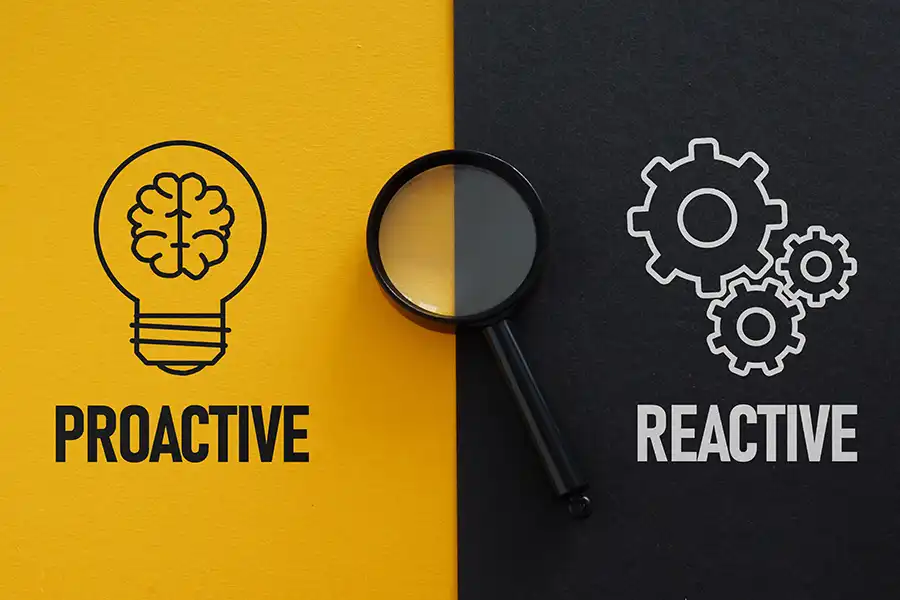
When it comes to marketing, proactive strategies often separate steady growth from constant scrambling. Businesses that plan ahead move with purpose, while those who wait are left playing catch-up.
Now, to understand the importance of this distinction, let’s look at the specifics.
What Does a Proactive Strategy Actually Look Like?
Being proactive means acting before problems appear. You anticipate market needs, customer direction, and upcoming challenges. You lead the conversation rather than respond to it.
A proactive marketing strategy might include:
- Planning content three to six months ahead, based on product launches, seasonal shifts, or industry trends.
- Testing new ad platforms before your competitors flood them.
- Building email funnels before a big sales push, not the night before.
- Developing brand messaging with long-term consistency instead of last-minute tweaks.
This approach requires discipline and patience. You need data and a strong sense of your audience and business beyond reports.
And Reactive? It’s Not Always Bad—but It’s Rarely Sustainable
Let’s be honest: there’s always going to be some level of reaction in marketing. Trends pop up overnight. A competitor runs a campaign that gets traction. A product doesn’t perform as you hoped. That’s normal. What’s not sustainable is running your entire strategy from a place of panic.
When you’re reactive, you’re often:
- Rushing to post something—anything—because it’s been two weeks and your feed’s gone dark.
- Scrambling to run a promo because sales dipped, not because you planned a value-driven offer.
- Copying what a competitor did last week because you’re feeling behind.
- Making emotional decisions rather than strategic ones.
It’s exhausting, and over time, this shows. Your brand message blurs, customers are uncertain what to expect, and your team ends up burned out, bouncing between tasks with no clear direction.
Why Proactive Wins Long-Term
A proactive strategy gives you space to test, refine, and be creative.
You move from reacting to the market to influencing it. Patterns become visible sooner, and relationships with your audience strengthen because your presence is consistent—not just when you want something.
Most importantly, your decisions are no longer driven by fear.
You’ll still need to pivot. But with a solid foundation, these are strategic adjustments—not emergencies.
How to Shift From Reactive to Proactive
- Slow down to speed up.
Pause. Review the past six months of marketing. What was rushed? What could have been planned better? Learn and apply these lessons. - Build a buffer
Prepare content, emails, or ads weeks in advance. This buffer provides breathing room and security. - Run scenario plans
Consider what you'll do if sales dip or competitors appear. Write basic responses. Preparation calms future surprises. - Keep your ear to the ground.
Being proactive uses current events to shape the future. Listen to your audience and data, but don't let them rule every move.At the end of the day,proactive marketing sets you up for lasting success. Moving forward with purpose, a plan, and readiness means leading your market instead of chasing it. That’s the real difference—and the main takeaway—between being proactive and reactive.